
Maintaining a clean home goes beyond aesthetics—it directly impacts your health and overall well-being. A tidy, hygienic environment reduces allergens, curbs the spread of germs, and promotes mental clarity. However, effective house cleaning requires more than occasional tidying; it involves strategic routines and smart choices that transform your living space into a sanctuary of cleanliness and health. In this article, we’ll explore expert house cleaning tips designed to help you create and sustain a healthier home environment.
Why Prioritize a Healthier Home Environment?
Indoor air quality, dust buildup, and hidden bacteria can affect respiratory health, trigger allergies, and increase stress levels. According to studies, indoor air can be up to five times more polluted than outdoor air, making regular and thorough cleaning essential. Beyond physical health, a clutter-free, clean home fosters relaxation and productivity, improving your mental state. Understanding these benefits motivates consistent house cleaning habits and smarter maintenance.
How to Establish an Effective House Cleaning Routine?
Consistency is key to maintaining a healthier home. Instead of sporadic deep cleans, establish a sustainable schedule that covers daily, weekly, and monthly tasks. Here’s a simple breakdown:
- Daily: Wipe kitchen counters, do dishes, spot-clean spills, and organize clutter.
- Weekly: Vacuum and mop floors, clean bathrooms, dust surfaces, and change bed linens.
- Monthly: Deep clean appliances, wash windows, sanitize trash bins, and declutter storage areas.
This structure prevents dirt accumulation and reduces cleaning fatigue over time.
What Cleaning Products and Tools Should You Use?
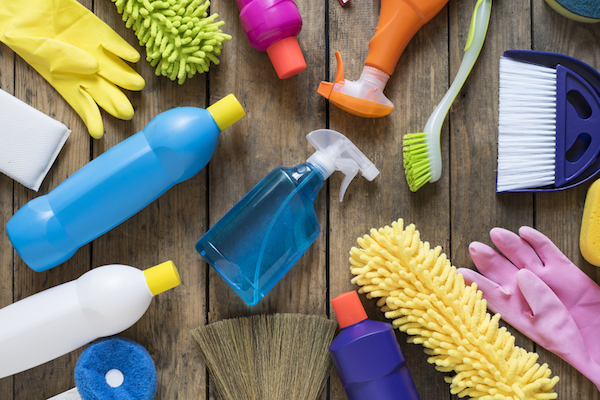
Choosing the right cleaning supplies enhances efficiency and safety. Here are expert recommendations:
- Natural cleaners: Vinegar, baking soda, and lemon juice are eco-friendly and effective against most household grime.
- Disinfectants: Use EPA-approved disinfectants, especially in bathrooms and kitchens, to eliminate harmful pathogens.
- Microfiber cloths: These trap dust and bacteria better than traditional rags and are reusable.
- HEPA vacuum: A vacuum with a HEPA filter captures fine particles and allergens, improving air quality.
Investing in quality tools can save cleaning time and improve results.
What Are the Key Areas to Focus On for Healthier House Cleaning?
Some areas accumulate germs and dust more than others. Prioritizing these spots can significantly impact your home’s health:
| Area | Why It Matters | Expert Tip |
|---|---|---|
| Kitchen | Food prep surfaces can harbor bacteria and mold. | Sanitize countertops daily and clean refrigerator seals monthly. |
| Bathrooms | High moisture encourages mold and mildew. | Use mold-resistant sprays and ventilate after showers. |
| Floors | Dust, allergens, and microbes accumulate here. | Vacuum carpets twice a week and mop hard floors weekly. |
| Air Vents and Filters | Dust and allergens circulate if not cleaned. | Replace HVAC filters every 3 months and dust vents monthly. |
| Bedding and Upholstery | Dust mites thrive in fabrics. | Wash bedding weekly and vacuum upholstery regularly. |
How Can You Reduce Allergens and Improve Air Quality?
Improving air quality is crucial for a healthier home. Consider these practical steps:
- Regular ventilation: Open windows daily for at least 15 minutes to circulate fresh air.
- Houseplants: Certain indoor plants like spider plants and peace lilies naturally filter air pollutants.
- Humidity control: Use dehumidifiers to keep indoor humidity between 30-50%, reducing mold growth.
- Remove shoes: Implement a no-shoe policy indoors to minimize dirt and allergens.
These strategies complement regular cleaning to maintain a wholesome indoor atmosphere.
What Are Some Advanced Cleaning Techniques for Lasting Results?
For those looking to elevate their cleaning routine, consider integrating these expert techniques:
- Steam cleaning: Use a steam cleaner on floors, upholstery, and curtains to kill germs without chemicals.
- Deep carpet cleaning: Schedule professional carpet cleaning every 6 to 12 months to remove embedded dirt and allergens.
- UV sanitization: Portable UV lamps can disinfect high-touch surfaces like keyboards and remote controls.
- Decluttering method: Apply the “one in, one out” rule to prevent accumulation of unnecessary items.
These methods enhance hygiene and simplify ongoing maintenance.
How Can You Maintain Motivation for Regular House Cleaning?
Cleaning can feel overwhelming, but staying motivated is possible with these tips:
- Set small goals: Break tasks into manageable chunks, like cleaning one room per day.
- Create a checklist: Track completed tasks to visualize progress and build momentum.
- Use timers: Clean in short, focused bursts (e.g., 20 minutes) to avoid fatigue.
- Reward yourself: After completing chores, enjoy a relaxing activity or treat.
Over time, these habits foster a positive attitude toward house cleaning.
Conclusion
Transforming your space through expert house cleaning techniques does more than make your home look good—it creates a healthier environment that supports your physical and mental well-being. By establishing consistent routines, focusing on critical areas, choosing the right tools, and adopting advanced methods, you can significantly improve indoor air quality and reduce allergens. Remember, small, sustained actions yield lasting benefits. Start today by implementing one new tip from this guide and experience the positive impact on your home’s atmosphere.
Ready to create a cleaner, healthier home? Begin your transformation now with a simple cleaning task—wipe down your kitchen counters and open a window for fresh air. Your healthier home awaits!

Why Costco Is Hiring and What Applicants Should Know

What It’s Really Like to Work at Tim Hortons: Pay, Culture and Real Growth Opportunities

Innovative Backyard Garden Design Ideas for Every Season
Innovative Kitchen Design Trends for 2026 and Beyond
Transform Your Space with Expert House Cleaning Tips

Expert Organization Tips for a Clutter-Free Home and Garden

Embracing Simplicity: Minimalist Home Design

Understanding Polyamory in Modern Relationships

Overcoming Relationship Problems: Effective Strategies